
High Blood Pressure: The Silent Condition You Should Not Ignore
High blood pressure, also called hypertension, is one of the most common health problems in the world, and many people who have it do not know. The good news is that it is easy to check and can be controlled.
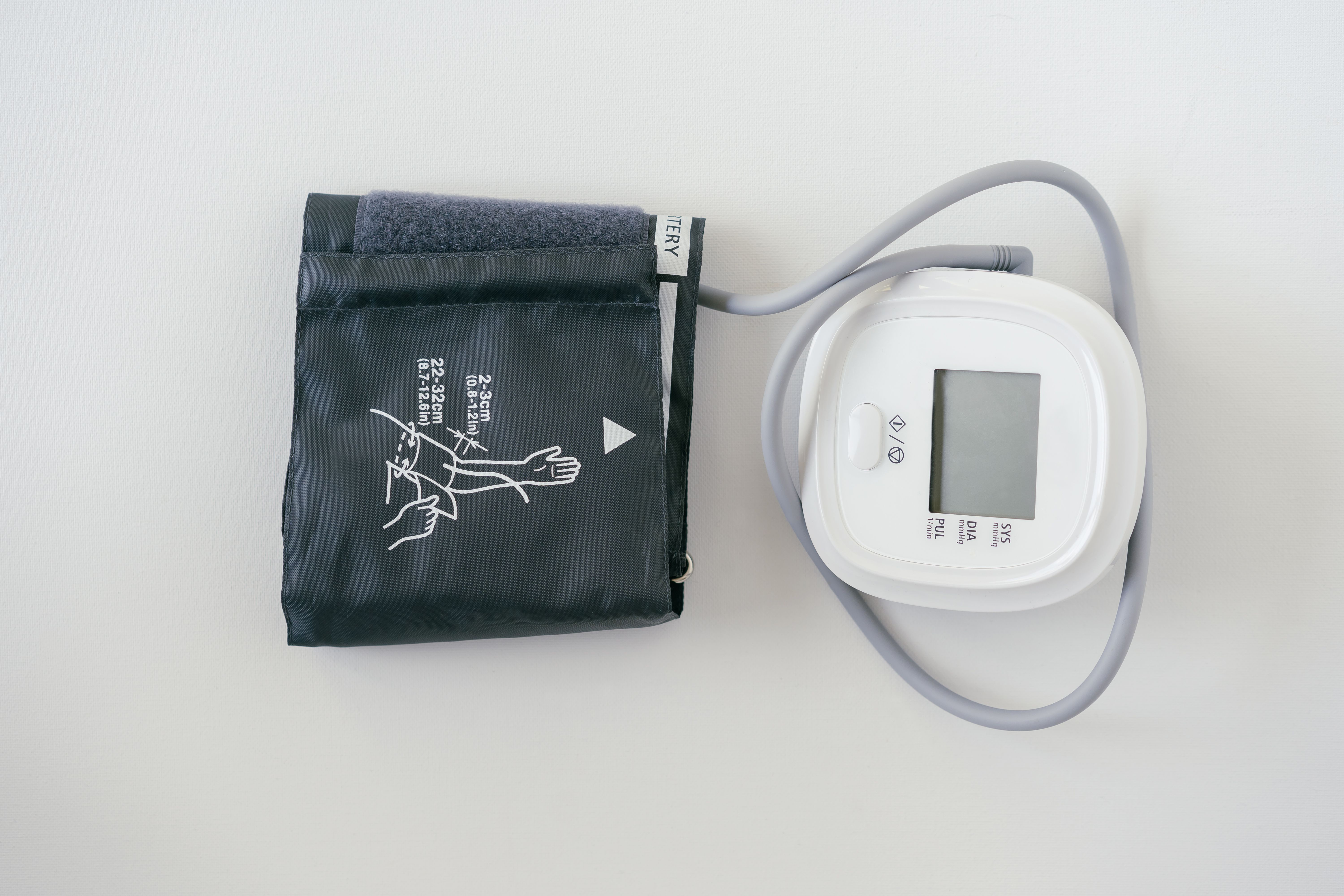
What is blood pressure?
Blood pressure is the force of blood pushing against the walls of your arteries as your heart pumps. It is written as two numbers, for example 120/80:
- Systolic (top number): pressure when the heart beats
- Diastolic (bottom number): pressure when the heart rests between beats
A reading around 120/80 is considered healthy. Readings of 140/90 or higher on repeated checks are generally considered high, and some guidelines use an even lower threshold. Only a healthcare professional can diagnose hypertension, usually after more than one reading.
Why is it called the "silent killer"?
Most people with high blood pressure feel perfectly well. Headaches, dizziness, or blurred vision can occur, but usually only when pressure is very high. Left untreated, hypertension raises the risk of:
- Stroke
- Heart attack and heart failure
- Kidney disease
- Vision loss
- Memory problems later in life
Who is at risk?
Anyone can develop high blood pressure, but the risk is higher if you:
- Are over 40, though it is increasingly seen in younger adults
- Have a family history of hypertension
- Are overweight or inactive
- Eat a lot of salty or processed food
- Smoke or drink excessive alcohol
- Live with chronic stress or poor sleep
- Have diabetes or kidney disease
How to lower your risk
Cut down on salt. Aim for less than 5 grams a day, about one teaspoon in total. Watch seasoning cubes, instant noodles, processed meats, salted fish, and packaged snacks, which add up quickly.
Eat more potassium-rich foods. Vegetables, fruits, beans, and plantain help balance the effects of sodium.
Stay active. Aim for at least 150 minutes of moderate exercise a week, such as brisk walking or cycling.
Maintain a healthy weight. Even losing a few kilograms can lower blood pressure.
Limit alcohol and avoid tobacco. Both raise blood pressure and strain the heart.
Manage stress and sleep well. Aim for 7 to 9 hours of sleep and make time for rest, prayer, or relaxation.
Get your blood pressure checked
Every adult should have their blood pressure measured at least once a year, and more often if you have risk factors. A check takes only a few minutes and is painless. If you already have hypertension, monitor your readings regularly and keep all follow-up appointments.
If you are diagnosed with hypertension
- Take your medication exactly as prescribed. Do not stop because you feel fine. Feeling well often means the treatment is working.
- Do not share medication or switch drugs without medical advice.
- Keep a record of your readings to show your doctor.
- Continue the lifestyle changes. They make medication work better and may reduce the dose you need.
Seek emergency care immediately if you have
- Severe headache with confusion or vision changes.
- Chest pain or difficulty breathing.
- Sudden weakness or numbness on one side of the body.
- Slurred speech or facial drooping.